Pattern Arabesque Background: A Timeless Design Element
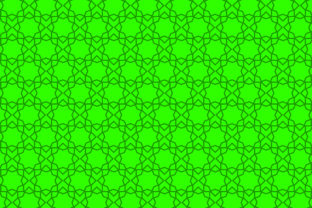
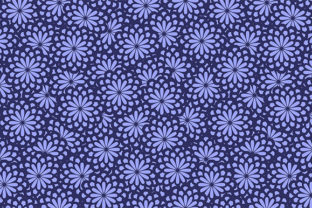
The Pattern Arabesque Background is a design style rooted in the intricate geometric and ornamental traditions of Islamic and Middle Eastern art. Characterized by its flowing, interwoven lines and symmetrical motifs, this pattern has transcended cultural boundaries to become a popular choice in modern design. Whether used as a wallpaper, textile, or digital backdrop, the Pattern Arabesque Background offers a blend of elegance, complexity, and historical depth that appeals to a wide range of aesthetic preferences.
Understanding the Origins and Characteristics
The Pattern Arabesque Background finds its roots in the rich artistic heritage of the Islamic world, where it was often used in architecture, calligraphy, and decorative arts. These designs are typically composed of floral, arabesque, and geometric elements, arranged in repeating patterns that create a sense of harmony and balance. The use of symmetry, negative space, and repetition is central to the visual language of these backgrounds.
One of the defining features of the Pattern Arabesque Background is its ability to convey both movement and stillness. The fluid curves of the arabesque motif suggest motion, while the structured geometry provides stability. This duality makes it versatile for various applications, from interior design to graphic illustrations.
Comparing with Similar Design Styles
While the Pattern Arabesque Background shares similarities with other traditional and modern design styles, it stands out due to its unique combination of elements. For instance, compared to the more rigid geometric patterns found in Turkish or Spanish designs, the Pattern Arabesque Background incorporates organic shapes that add a sense of fluidity and grace.
Similarly, when contrasted with the highly stylized motifs of Asian or oriental art, the Pattern Arabesque Background maintains a distinct identity through its emphasis on symmetry and repetition. However, it can be adapted to fit various cultural contexts, making it a flexible choice for designers seeking to blend traditional and contemporary aesthetics.
Strengths and Limitations
The Pattern Arabesque Background offers several advantages that make it a compelling option for designers and decorators. Its intricate detailing adds visual interest to any space or design project, while its versatility allows it to be used in a variety of formats, including vector graphics, seamless tiles, and digital wallpapers.
One of the key strengths of the Pattern Arabesque Background is its timeless appeal. Unlike some trendy design elements that may quickly fall out of favor, the Pattern Arabesque Background has remained relevant across centuries, continuing to inspire new generations of artists and designers.
However, there are also limitations to consider. The complexity of the design can sometimes make it challenging to integrate into minimalist or modern interiors. Additionally, the level of detail required for high-quality reproductions may increase production costs, especially when working with physical materials such as fabric or wall coverings.
Best-Fit Situations and Use Cases
The Pattern Arabesque Background is particularly well-suited for environments that benefit from a touch of sophistication and cultural richness. It works exceptionally well in spaces such as living rooms, libraries, and boutique stores, where an elegant and decorative atmosphere is desired.
In the realm of digital design, the Pattern Arabesque Background can serve as an effective backdrop for websites, presentations, and branding materials. Its ornate yet balanced nature ensures that it complements rather than overwhelms the content it supports.
For those interested in vintage or traditional aesthetics, the Pattern Arabesque Background offers a perfect blend of old-world charm and modern adaptability. It can be incorporated into home decor projects, textile designs, and even fashion accessories, providing endless creative possibilities.
Alternatives and Decision Factors
When deciding whether to use the Pattern Arabesque Background, it's important to consider alternative design options that may better suit specific needs. For example, if simplicity and minimalism are priorities, a clean, abstract pattern might be more appropriate. On the other hand, if the goal is to create a visually rich and culturally inspired environment, the Pattern Arabesque Background could be the ideal choice.
Other factors to evaluate include the intended application, budget constraints, and the overall design theme. While the Pattern Arabesque Background is often associated with traditional and ornate styles, it can be modified to align with more contemporary or modern aesthetics. This flexibility makes it a valuable asset for designers looking to balance tradition with innovation.
Additionally, the availability of different formats—such as vector files, seamless tiles, and printable wallpapers—can influence the decision-making process. Choosing the right format ensures that the Pattern Arabesque Background is both functional and aesthetically pleasing in its intended setting.
Practical Examples and Real-World Applications
To better understand how the Pattern Arabesque Background can be applied in real-world scenarios, consider the following examples:
- Interior Design: A living room featuring a Pattern Arabesque Background on the walls creates a sophisticated and inviting atmosphere. Pairing it with neutral tones and soft lighting enhances its elegance.
- Graphic Design: A website using a Pattern Arabesque Background as a subtle background image can elevate the overall design without overpowering the content.
- Fashion and Textiles: Incorporating the Pattern Arabesque Background into fabric designs allows for the creation of luxurious and culturally inspired clothing and home textiles.
These examples illustrate how the Pattern Arabesque Background can be tailored to fit different industries and purposes, ensuring its continued relevance in both traditional and modern contexts.
Conclusion
The Pattern Arabesque Background remains a powerful and enduring design element, offering a unique blend of history, artistry, and functionality. Whether used in interior design, digital media, or textile production, it continues to captivate and inspire. By understanding its characteristics, strengths, and limitations, designers and consumers can make informed decisions about when and how to incorporate this timeless pattern into their projects.