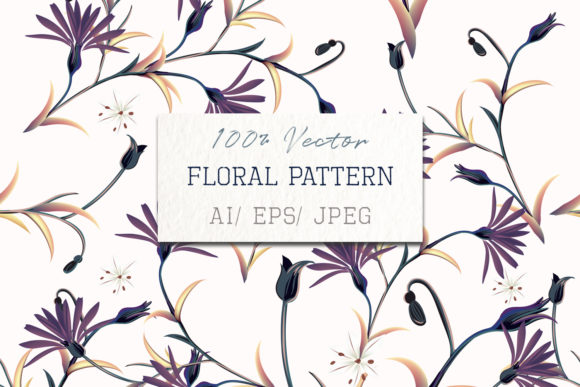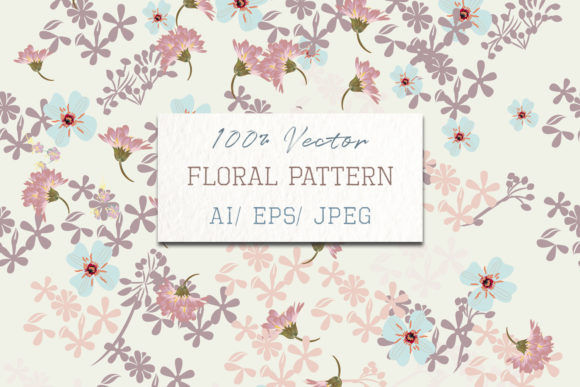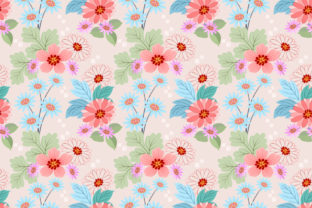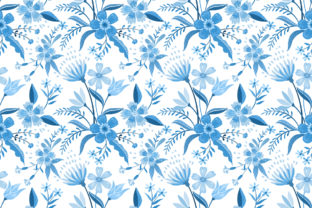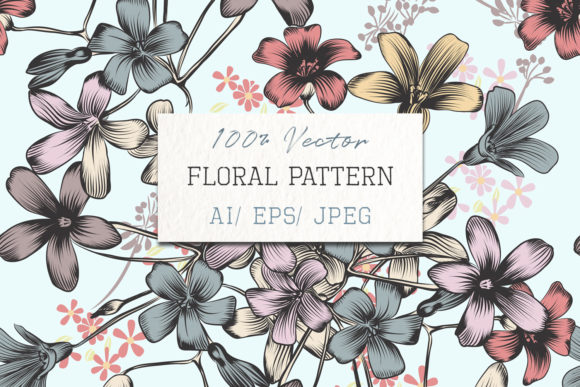
Floral Vector Background with Flowers
Floral vector background with flowers is a versatile design asset that offers both aesthetic appeal and technical flexibility. It is particularly valuable for professionals, creators, and entrepreneurs who require high-quality, scalable visuals for branding, marketing, or creative projects. Unlike raster images, vector graphics maintain clarity at any scale, making them ideal for use across multiple platforms and resolutions.
Understanding the Value of Vector Graphics
Floral vector backgrounds are created using mathematical equations rather than pixels, which means they can be scaled infinitely without loss of quality. This characteristic is especially important in digital workflows where assets need to be used in various formats—print, web, mobile, and more. For example, a floral vector background designed for a website banner can also be used in print materials like brochures or packaging without requiring rework.
The hand-drawn nature of many floral vector designs adds a unique artistic touch that complements modern design trends. Whether you're creating a brand identity or designing a presentation, these backgrounds provide a cohesive and visually appealing foundation. They can be layered, modified, and customized to fit specific project needs, offering both creativity and control.
Where Floral Vector Backgrounds Fit in the Workflow
Floral vector backgrounds can be integrated into a variety of workflows depending on the project stage. Before starting a design, they can serve as a base layer for mockups, mood boards, or concept sketches. During the development phase, they can be used as templates for layout planning, ensuring consistency across visual elements. After completion, they can act as a backdrop for presentations, reports, or social media content.
In marketing and branding, floral vector backgrounds are often used in digital assets such as landing pages, email newsletters, and social media graphics. Their scalability makes them suitable for both small screens and large displays, ensuring a seamless user experience. For educators and bloggers, these backgrounds can enhance visual learning by providing an engaging and distraction-free environment for content delivery.
Practical Use Cases
- Branding Projects: Use floral vector backgrounds as part of logo design, website layouts, or product packaging to create a cohesive brand identity.
- Marketing Campaigns: Incorporate them into social media posts, banners, and advertisements to add a soft, elegant feel.
- Presentations: Enhance slides with subtle floral patterns to make content more visually engaging without overwhelming the viewer.
- Content Creation: Apply them as overlays in video editing software or as a base for infographics and data visualizations.
- Print Materials: Utilize them for book covers, magazine spreads, or promotional flyers to elevate the overall design quality.
When working with floral vector backgrounds, it's essential to consider how they interact with other design tools and resources. Most vector files are compatible with Adobe Illustrator, InDesign, and Photoshop, allowing for easy integration into existing workflows. Additionally, the availability of multiple file formats—such as AI, EPS, and JPEG—ensures compatibility with a wide range of software and devices.
Implementation Tips and Best Practices
To get the most out of floral vector backgrounds, follow these practical tips:
- Choose the Right File Format: Select AI or EPS files for editing and JPEG for quick previews. This ensures flexibility while maintaining high quality.
- Layer Strategically: Use floral backgrounds as a base layer and build upon them with text, icons, or other design elements to avoid clutter.
- Test Across Platforms: Ensure the background works well on different screen sizes and resolutions to maintain visual consistency.
- Customize as Needed: Modify colors, shapes, or patterns to align with your project’s theme or brand guidelines.
- Organize Your Files: Keep your vector files organized in folders based on project type, color scheme, or usage intent for easy access and management.
For those new to vector design, it's helpful to start with simple backgrounds and gradually experiment with more complex compositions. Understanding how to manipulate vector paths and layers can significantly enhance the final outcome. Many design tutorials and online courses offer step-by-step guidance on working with vector graphics, making the learning curve more manageable.
Integration Into Daily Workflows
Floral vector backgrounds can be seamlessly integrated into daily work routines, whether you're working on a freelance project, managing a small business, or developing a personal brand. For instance, a freelancer might use a floral background as a template for client proposals, ensuring a professional and aesthetically pleasing appearance. A small business owner could apply these backgrounds to their website or social media profiles to create a consistent visual identity.
For productivity-minded users, incorporating floral vector backgrounds into task management or planning processes can help maintain focus and motivation. A clean, visually appealing workspace can improve efficiency and reduce cognitive overload. Additionally, using these backgrounds in digital note-taking apps or project management tools can enhance organization and creativity.
Long-Term Benefits
Investing in high-quality floral vector backgrounds offers long-term benefits beyond initial use. These assets can be reused across multiple projects, saving time and effort in the future. As your brand evolves, the same background can be adapted to match new color schemes or design trends, ensuring continued relevance.
Moreover, the ability to edit and customize vector files means you can keep up with changing design standards without needing to purchase new assets. This adaptability is crucial in fast-paced industries where visual aesthetics play a significant role in customer engagement and brand perception.
Ultimately, floral vector backgrounds are more than just decorative elements—they are powerful tools that support creativity, efficiency, and consistency in a wide range of applications. By understanding how to integrate them into your workflow, you can unlock new possibilities for your design and business goals.