DPM Camouflage: A Strategic Tool for Clarity, Focus, and Purpose
DPM Camouflage, or Disruptive Pattern Material, is more than just a fabric pattern. It’s a visual strategy that has been used by the British Armed Forces and many other military and civilian organizations around the world. Its purpose isn’t just to blend into the environment—it’s to create a clear, focused identity in a complex, often chaotic landscape. For professionals, entrepreneurs, and decision-makers, DPM offers a powerful metaphor for how we can approach our own goals, planning, and communication.
The Core of DPM: Disruption as a Design Principle
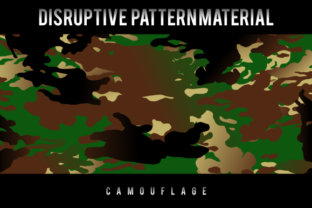
DPM was developed during World War II as a way to break up the outline of a soldier’s uniform, making them less visible to the enemy. Unlike traditional camouflage patterns that attempt to mimic the background, DPM uses contrasting colors and shapes to disrupt the human eye’s ability to recognize form. This disruption is not random—it’s intentional, designed to serve a strategic function.
Similarly, in business and personal development, we often face situations where clarity is obscured by noise. DPM teaches us that disrupting the visual clutter can help us see what matters. Whether it’s simplifying a brand identity, streamlining a project plan, or refining a marketing message, the principle of disruption can be applied strategically to cut through the noise and focus on what truly drives results.
Strategic Use of DPM in Planning and Execution
When planning a campaign, launching a product, or setting long-term goals, the principles behind DPM can guide your approach. Consider how you structure your visual and verbal communication. Are you creating a clear, defined pattern that aligns with your objectives, or are you allowing too much visual and conceptual noise to dilute your message?
DPM works best when there is a clear objective. In the military, this means knowing the terrain, the enemy, and the mission. In business, it means understanding your audience, your goals, and your unique value proposition. Without this clarity, the disruptive pattern can become confusing rather than clarifying.
One practical example is branding. Many companies use DPM-like strategies in their visual design to stand out in a crowded market. By using bold, high-contrast elements, they create a memorable identity that cuts through the noise. This isn’t just about aesthetics—it’s about positioning. Just as DPM helps soldiers remain hidden, a strong brand identity helps businesses remain visible and relevant.
How to Apply DPM Principles in Your Work
- Define Your Mission: Before applying any pattern, whether visual or strategic, ensure you have a clear mission or goal. This provides the foundation for all decisions.
- Identify the Noise: What distractions are preventing you from achieving your goals? Are there unnecessary elements in your process, messaging, or operations?
- Disrupt Thoughtfully: Introduce elements that clarify rather than confuse. This could mean simplifying a workflow, refining a marketing message, or rethinking your organizational structure.
- Test and Refine: Like any pattern, DPM needs to be tested in real-world conditions. Gather feedback and adjust based on outcomes.
- Stay Focused: The key to effective disruption is staying aligned with your core objectives. Avoid overcomplicating or overextending your efforts.
When to Use DPM: Strategic Timing and Context
DPM is not a one-size-fits-all solution. It’s most effective when used in specific contexts where clarity and focus are critical. Here are some scenarios where DPM can be strategically applied:
- Launching a New Product: Use DPM principles to create a distinctive brand identity that stands out in the marketplace.
- Streamlining Operations: Simplify complex processes by identifying and removing unnecessary steps or distractions.
- Enhancing Communication: Use clear, concise messaging to cut through the noise and deliver your intended message effectively.
- Building Brand Awareness: Create a visual and verbal pattern that reinforces your brand’s unique value proposition.
- Improving Decision-Making: Use structured frameworks and clear guidelines to reduce ambiguity and improve outcomes.
However, it’s important to recognize that DPM should not be used without context. In the wrong situation, a disruptive pattern can lead to confusion rather than clarity. For example, if you’re trying to build trust with a client, an overly complex or confusing message may do more harm than good.
Risks of Misusing DPM: Clarity vs. Chaos
While DPM can be a powerful tool, its misuse can lead to unintended consequences. One of the biggest risks is applying it without a clear objective. When a pattern is applied randomly or without purpose, it can create more confusion than clarity.
Another risk is over-reliance on disruption without considering the broader context. In business, this might mean focusing too much on standing out while neglecting the importance of consistency, reliability, and trust. In personal development, it could mean prioritizing short-term visibility over long-term growth and sustainability.
To avoid these pitfalls, always ask yourself: What is the outcome I’m trying to achieve? Does this approach support that outcome? Am I creating clarity, or am I simply adding more noise?
Intentional Application: The Key to Success
DPM is not about chaos—it’s about intentional design. The most successful applications of DPM are those where the pattern serves a clear purpose and aligns with the overall strategy. This applies equally to military operations, branding, marketing, and personal development.
For instance, consider a small business owner looking to grow their customer base. Instead of trying to appeal to everyone, they might adopt a DPM-like strategy by focusing on a specific niche, using a consistent visual identity, and delivering a clear, compelling message. This creates a pattern that resonates with their target audience, helping them stand out in a competitive market.
Similarly, a freelancer looking to build a reputation might use DPM principles to define their unique style, communicate their expertise clearly, and maintain a consistent presence across platforms. This not only enhances their visibility but also builds trust and credibility over time.
Conclusion: DPM as a Strategic Framework
DPM Camouflage is more than a pattern—it’s a strategic framework for achieving clarity, focus, and purpose. Whether you’re managing a team, launching a product, or building your personal brand, the principles of DPM offer valuable insights into how to cut through the noise and achieve meaningful results.
By applying DPM intentionally, you can create a clear, defined path forward—one that supports your goals, strengthens your position, and improves your outcomes. The key is to understand when and how to use it, ensuring that every element of your strategy serves a greater purpose.